Korean Bibimbap
Highlighted under: Global Food
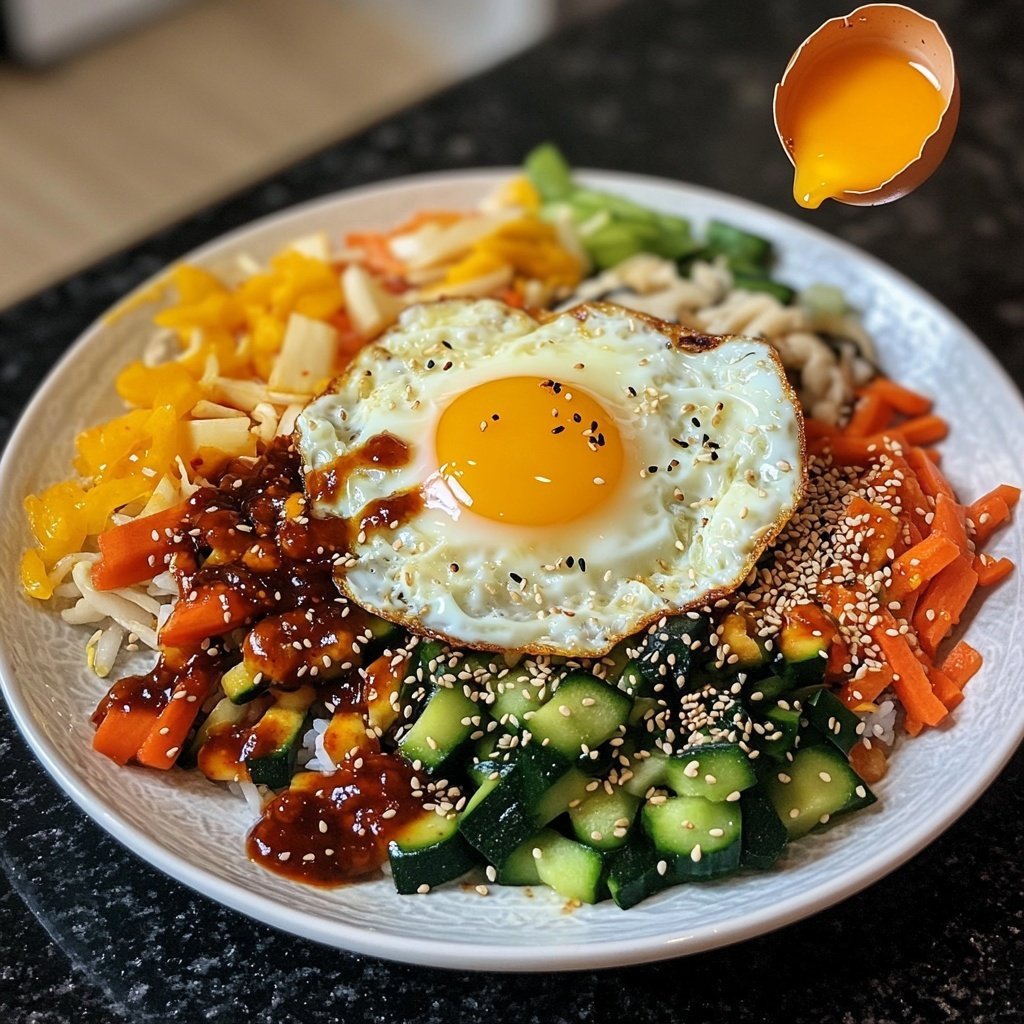
Korean Bibimbap is a vibrant and nutritious rice dish topped with an array of colorful vegetables, meat, and a fried egg, all mixed with a spicy gochujang sauce.
Korean Bibimbap is not just a meal; it's a culinary experience. Originating from Korea, this dish combines rice with a variety of vegetables, protein, and a spicy sauce, creating a harmonious blend of flavors and textures that will leave you craving more.
Why You'll Love This Recipe
- A colorful and appetizing presentation
- Nutritious and packed with fresh vegetables
- Customizable to suit your taste preferences
- Perfect for meal prep and leftovers
The Essence of Bibimbap
Bibimbap is more than just a meal; it's a culinary celebration of color, texture, and flavor. Originating from Korea, this dish translates to 'mixed rice' and features a delightful combination of ingredients that represent harmony and balance. With its vibrant hues from fresh vegetables and proteins, bibimbap is as visually appealing as it is nutritious. Each bite offers a complex interplay of flavors, making it a favorite for both locals and international food lovers.
One of the standout features of bibimbap is its versatility. You can easily customize the toppings based on seasonal ingredients or personal preferences. Whether you prefer beef, tofu, or a variety of vegetables, the only limit is your imagination. This adaptability not only caters to different dietary needs but also allows you to keep your meals exciting and fresh.
Nutritional Benefits
Korean Bibimbap is not only delicious but also packed with nutrients. The dish is loaded with vegetables, providing a rich source of vitamins, minerals, and fiber that are essential for a balanced diet. Spinach, carrots, and zucchini contribute antioxidants that support overall health, while the protein from beef or tofu helps build and repair tissues. This makes bibimbap an excellent choice for anyone looking to maintain a healthy lifestyle.
Moreover, the use of gochujang adds a unique depth of flavor while also offering health benefits. Gochujang, a fermented chili paste, is known for its probiotic properties, which can aid digestion. When you mix all the components together, you not only enjoy a delicious meal but also a wholesome one that nourishes your body.
Perfect for Meal Prep
One of the best aspects of bibimbap is its suitability for meal prepping. Preparing a large batch of this dish allows you to enjoy it throughout the week without sacrificing flavor or nutrition. You can cook the rice and proteins in advance, and all you need to do is quickly sauté the vegetables before serving. This makes it an ideal option for busy individuals or families looking to save time in the kitchen.
Additionally, bibimbap stores well in the refrigerator. Just keep the components separate until you're ready to eat. This ensures that the textures remain intact and the dish stays fresh. You can easily reheat the rice and protein, add your prepped vegetables, and top it off with a fried egg and gochujang for a quick and satisfying meal.
Ingredients
For the Bibimbap
- 2 cups cooked jasmine rice
- 1 cup spinach, blanched
- 1 cup bean sprouts, blanched
- 1 carrot, julienned
- 1 zucchini, julienned
- 1 cup shiitake mushrooms, sautéed
- 4 eggs
- 1 lb ground beef or tofu
- 2 tablespoons sesame oil
- Salt and pepper to taste
- Gochujang (Korean chili paste), to taste
Feel free to adjust the ingredients based on your preferences or dietary restrictions.
Instructions
Prepare the Rice
Cook the jasmine rice according to package instructions. Set aside.
Sauté the Vegetables
In a skillet, sauté the zucchini and carrots in sesame oil until tender. Season with salt and pepper.
Cook the Protein
In the same skillet, cook the ground beef or tofu until fully cooked. Season with salt and pepper. Set aside.
Fry the Eggs
In another pan, fry the eggs sunny-side up, keeping the yolks runny.
Assemble the Bibimbap
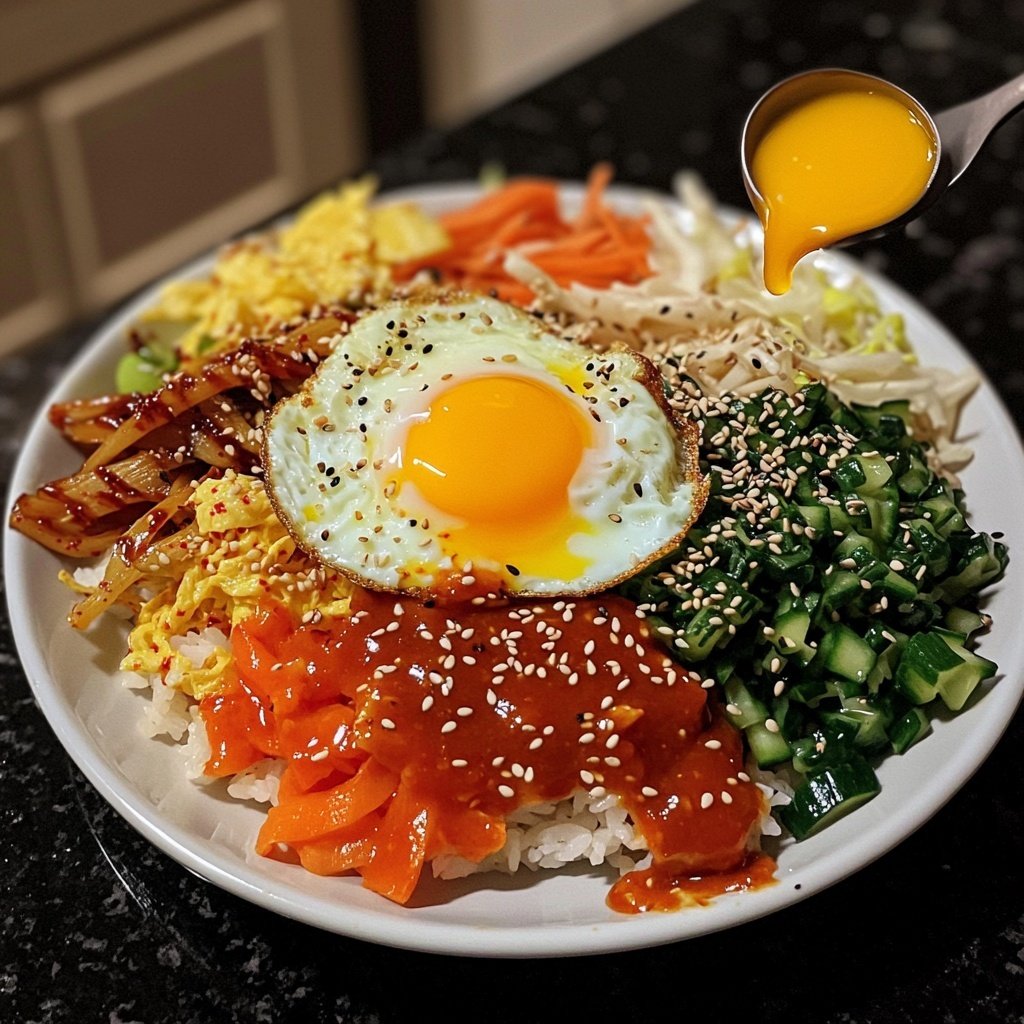
In a bowl, place a serving of rice, top with sautéed vegetables, protein, and a fried egg. Drizzle with gochujang and sesame oil.
Mix and Enjoy
Mix all ingredients together before eating to enjoy the full flavors of the dish!
Serve immediately and enjoy your homemade Korean Bibimbap!
Pro Tips
- For a vegetarian version, substitute the beef with tofu or tempeh. You can also add other vegetables like radishes or cucumbers.
Tips for Success
To achieve the best flavor in your bibimbap, be sure to season each component as you prepare it. A pinch of salt and pepper can elevate the taste of your sautéed vegetables and protein, ensuring a well-rounded dish. Additionally, experimenting with different types of vegetables can add unique flavors and textures to your bibimbap, so don’t hesitate to try seasonal or local produce.
If you want to add some crunch to your bibimbap, consider topping it with toasted sesame seeds or sliced nori. These not only enhance the presentation but also contribute additional layers of flavor that complement the dish beautifully.
Serving Suggestions
When serving bibimbap, presentation is key. Arrange the rice in the center of a bowl and artfully place the vegetables and protein around it. This not only makes for a stunning display but also invites diners to mix their bowl, enhancing the communal aspect of the meal. To elevate your serving experience, consider providing extra gochujang on the side for those who enjoy a bit more heat.
Pair your bibimbap with traditional Korean side dishes, known as banchan, such as kimchi or pickled vegetables. These accompaniments can enhance the flavor experience and offer a well-rounded meal that is characteristic of Korean dining.
Questions About Recipes
→ Can I make Bibimbap in advance?
Yes, you can prepare the components ahead of time. Store each ingredient separately in the fridge and assemble just before serving.
→ What is Gochujang?
Gochujang is a Korean chili paste made from red chili powder, glutinous rice, fermented soybeans, and salt. It's what gives Bibimbap its signature heat and flavor.
→ Can I use brown rice instead of jasmine rice?
Absolutely! Brown rice is a healthier alternative and will work well in this dish, though it may take longer to cook.
→ What other toppings can I add?
You can add toppings such as sliced avocado, kimchi, or different types of pickled vegetables for extra flavor.
Korean Bibimbap
Created by: Zadie Whitmore
Recipe Type: Global Food
Skill Level: Intermediate
Final Quantity: 4 servings
What You'll Need
For the Bibimbap
- 2 cups cooked jasmine rice
- 1 cup spinach, blanched
- 1 cup bean sprouts, blanched
- 1 carrot, julienned
- 1 zucchini, julienned
- 1 cup shiitake mushrooms, sautéed
- 4 eggs
- 1 lb ground beef or tofu
- 2 tablespoons sesame oil
- Salt and pepper to taste
- Gochujang (Korean chili paste), to taste
How-To Steps
Cook the jasmine rice according to package instructions. Set aside.
In a skillet, sauté the zucchini and carrots in sesame oil until tender. Season with salt and pepper.
In the same skillet, cook the ground beef or tofu until fully cooked. Season with salt and pepper. Set aside.
In another pan, fry the eggs sunny-side up, keeping the yolks runny.
In a bowl, place a serving of rice, top with sautéed vegetables, protein, and a fried egg. Drizzle with gochujang and sesame oil.
Mix all ingredients together before eating to enjoy the full flavors of the dish!
Extra Tips
- For a vegetarian version, substitute the beef with tofu or tempeh. You can also add other vegetables like radishes or cucumbers.
Nutritional Breakdown (Per Serving)
- Calories: 550 kcal
- Total Fat: 25g
- Saturated Fat: 5g
- Cholesterol: 210mg
- Sodium: 600mg
- Total Carbohydrates: 60g
- Dietary Fiber: 4g
- Sugars: 5g
- Protein: 22g